Interview with Chisom Umeh
Nommo Award Winner of the 2025 Best Speculative Fiction Short Story by an African


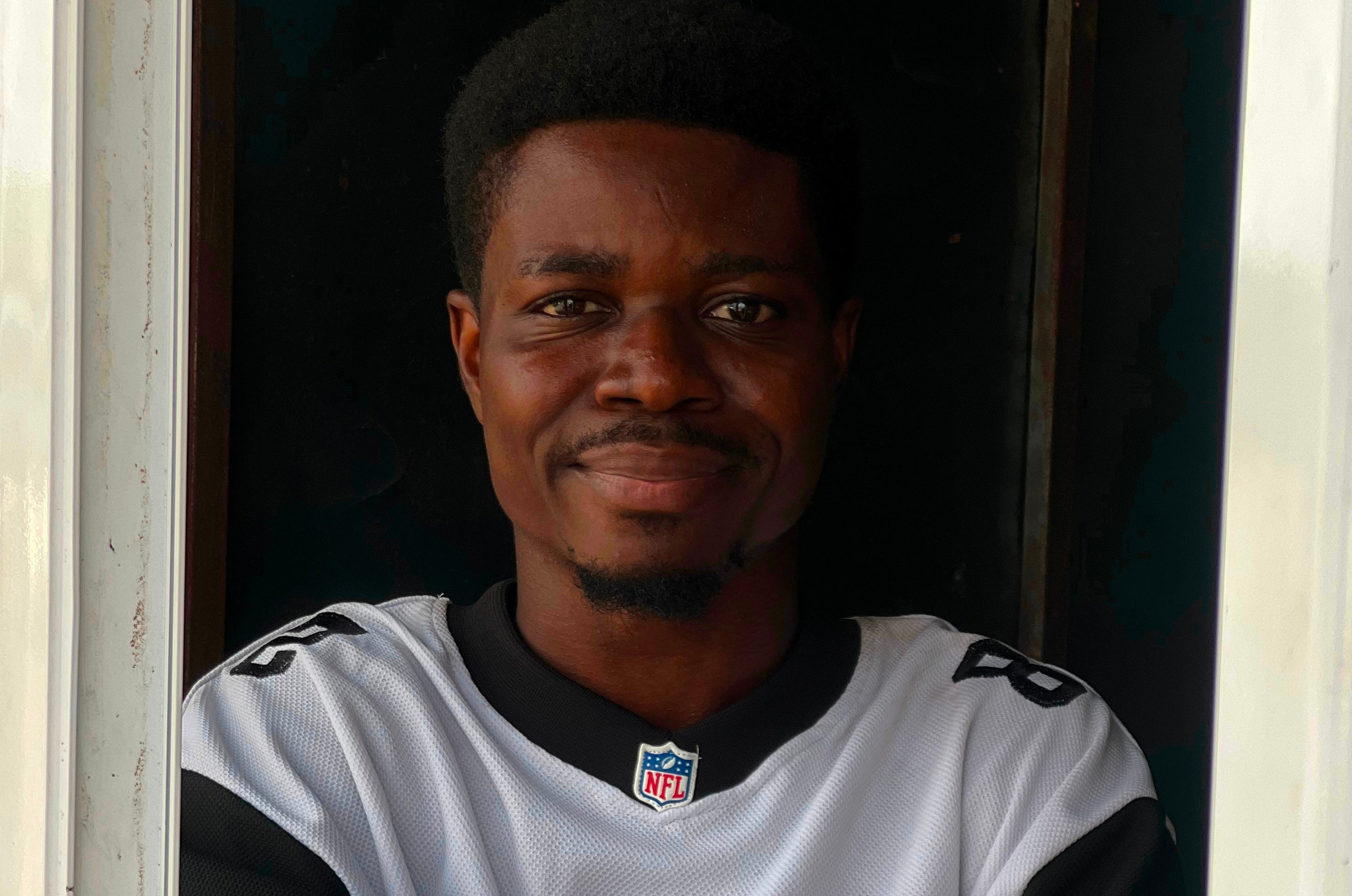
To celebrate the 2025 Nommo Awards, and in the run-up to our 2026 Nommo Awards season, we asked our winners a few questions about their work, why the Nommos matter, and the role African speculative fiction can play in the world.
African speculative fiction short stories thrive at the vibrant intersection of ancient oral traditions and cutting-edge futurism, allowing authors to reimagine history and technology through distinctly African epistemologies. This genre naturally embraces non-linear temporalities, relational ontologies, and rich spiritual cosmologies, enabling writers to critique complex realities while simultaneously constructing radical, self-determined worlds. The short story format proves particularly potent here, serving as a flexible vessel for “worldbuilding from the ground up” that captures contemporary Africa without the constraints of novel-length exposition. By weaving together these threads alongside indigenous folklore, these narratives create a rich tapestry of imagination that stands as a powerful testament to the depth, diversity, and boundless creativity of African storytelling.
Chisom Umeh is a Nigerian fiction writer and poet whose stories have appeared in Clarkesworld, Omenana, Apex Magazine, African Ghosts, and the Year’s Best African Speculative Fiction 2023. His short story Ancestor’s Gift won the 2024 Tractor Beam Contest, and he was a finalist for the Seattle Worldcon Short Story Contest/ Follow him online at https://www.instagram.com/umeh_chisom/
What does this Nommo Award mean to you?
Any recognition a writer gets at all is often great because I feel like the gift of telling stories comes with the curse of perpetual self-doubt. You’re always second guessing your writing and the endless stream of rejection letters in your inbox does a good job of reinforcing this uncertainty. But this Nommo Award in particular is like a reassuring pat on the shoulder from a friend because it is from my peers in African speculative fiction writing, people who share the same struggles of trying to get our voices heard from the continent to the global stage. It makes me feel quite encouraged to keep doing the work.
Can you tell us what inspired you to write your book? What are the main themes that readers can look forward to?
As I’ve said elsewhere, I love a good time travel story. I’m fascinated by the concept of physically moving through the past or the future, and I’ve written a number of stories exploring this theme in various ways. For From Across Time, the structure of the story was inspired by another story titled Peristalsis from Vajra Chandrasekera’s novel-in-stories Rakesfall. I hope readers come away from my story feeling encouraged to fight for whatever it is they love, no matter what the barriers may be.
What is exciting you about African Speculative Fiction? How is African SF being viewed in your country of origin/country of residence?
I’m loving that writers from Africa are not feeling discouraged at all about writing speculative fiction despite people often trying to relegate it as “genre writing”. I was at the Worldbuilding Africa Futures workshop last year and was thoroughly encouraged by the turn out and enthusiasm of the participants. It was infectious. I saw first-hand young folks eagerly engaging with speculative writing and it reassured me that the work we do is important. In my country, outside the buzz online, there’s hardly much physical activities like speculative fiction-focused festivals or conventions. But I’m optimistic all of that will change soon as interest continues to grow and organisations like the ASFS continues to educate people on the benefits of telling African speculative stories.
What books are currently on your bedside table?
Currently, I’ve been reading George Saunders’ Tenth of December and rereading @Lesley Nneka Arimah’s masterful What it Means When a Man Falls from the Sky. These writers did the impossible with short fiction in these collections and I’m just trying to trick myself into believing that I can attempt something remotely close with a short story collection I’m working on.
For our readers, which emerging African SF writers are you following?
These writers aren’t really emerging like that but I’ll say I’m inspired a lot by @Somto Ihezue’s writing and Adelehin Ijasan, whose debut novel I recently reviewed here is someone I’ve enjoyed reading and look forward to his next work. I don’t see much works from Kofi Nyameye (or maybe I haven’t looked well enough?) but I’ve loved the two stories I’ve read from him so far. .
What are of your personal interests or other activities that inspire your work?
I like to take long walks which help me think about stories that have been bouncing around in my head. This is the time where I tell my characters, ‘Okay, talk to me, I’m listening.’ Sometimes I finish the walk with new insight or clarity, other times I still feel as clueless as I was when I started out walking.
Does African SF play a role in decolonising futures and can it offer an alternative to the dominant imaginaries of the future?
What models can arise from this whether as African focused local approaches – does it serve the societies that it represents?
The answer to those questions is an emphatic yes! African speculative fiction plays a huge role in decolonizing not just our futures, but our now. It is why speculative fiction is super important because I think it is the only model through which we can situate ourselves in the kind of reality we want and hope to achieve. You can start a story from a slightly alternate present, and trace how that change would influence the course of events into the far future. Or you can set your story in the far future, and then walk backwards to the present, noting what inspired what and how the society you created came to be. Thinking like this allows you to really free yourself of the various shackles colonialism placed on us and our storytelling.
Climate change has been called the “new colonialism” by some commentators as African nations will continue to bear the weight and damage and sacrifice zones. We noticed that there is a lot more African SF focus on this theme and its increasing.
How can African SF help drive the change and collaboration that is needed for climate change? How can we use African SF to deepen local discourse and resilience?
I believe that by merely engaging with the work of writing speculative fiction as an African and forcing yourself to think of alternate possibilities, you already start a conversation with yourself that helps you gain clarity into these important topics. When I was writing a climate fiction story over a year ago, I had to get myself into reading books and articles that offered important information on present-day climate change realities.
The works I read were mostly written by Western writers, so I had to think deeply about how the things they said applied to my own country, if there was even any application. The insights I gained from doing that research in service of the story are still with me today. My knowledge on the subject has deepened by merely working on that speculative piece. You can pick any topic (AI, technological sovereignty, racial discrimination), and do the same. You’ll get similar results.
So moving to lighter topics, what book do you wish you had written?
Hmmm. Right now, the book I wish I’d written is Ted Chiang’s Stories of Your Life. It’s such a brilliant work of art. .
So, what’s coming up for you? What are you working on right now?
What’s about to be published?
Like I mentioned earlier, I’m currently working on a short story collection that, very hopefully, would be published in the nearest future. On the short term, though, I have a story coming out next month from ZamaShorts titled Fly, Flightless and I’m excited for everyone to read it.
What’s is your guiltiest culture pleasure?
I don’t feel guilty about this, but I love Afrobeats a lot and would listen to it anywhere, regardless of the mood I’m in. In fact, I love almost all the genres of Nigerian music, but more especially Igbo highlife, no matter how local it may sound to anyone.
 | A guest post by
|